At Pinseeker, we've made sustainability a core part of our offering to Golf Course management
Explore key topics in more detail

Frequently Asked Questions
Are golf courses sustainable?
Is golf sustainable?
Golf as a sport continues to evolve towards greater sustainability. Whilst traditional practices have raised environmental concerns, the industry is actively addressing these through innovation. From drought-resistant turf to precision irrigation and eco-friendly equipment, golf is adapting to meet modern environmental standards. Forward-thinking courses, manufacturers, and governing bodies are driving meaningful change that benefits both the game and the planet.
How to make golf courses more sustainable?
Sustainable course management combines multiple practical strategies. Start with water conservation through smart irrigation and drought-tolerant grass varieties. Adopt integrated pest management to minimise chemical usage whilst maintaining playing conditions. Choose equipment made from recycled materials like Luxewood® that eliminate maintenance requirements. Implement wildlife-friendly practices in rough areas. The most successful approach involves gradual improvements across operations, creating cumulative environmental and financial benefits.
How much water do golf courses use?
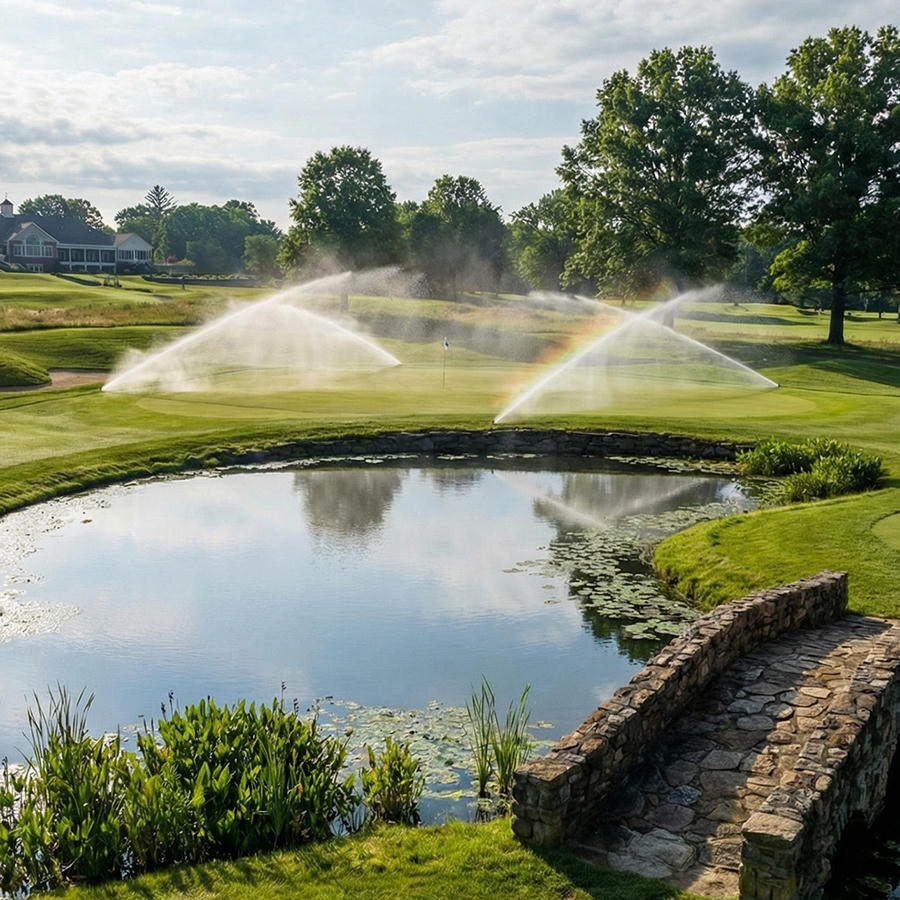
Water usage varies significantly depending on climate, grass type, and irrigation technology. Traditional courses can use between 100,000 to 1 million gallons per week during peak season. However, modern courses implementing efficient practices reduce consumption by 30-50% without compromising quality. Smart irrigation systems, weather-based controllers, and strategic native grasses deliver better playing conditions with considerably less water.
Is Luxewood environmentally friendly?
Luxewood® delivers genuine environmental benefits through its entire lifecycle. Each product diverts plastic waste from landfill and oceans, transforming it into durable course equipment that eliminates timber harvesting. Unlike traditional materials, Luxewood® requires zero maintenance - no painting, treating, or protective coatings - which removes ongoing chemical usage. The material's exceptional longevity means products last decades rather than years, avoiding repeated manufacturing cycles. This combination makes Luxewood® a measurably more sustainable choice.
Does recycled plastic furniture offset environment costs?
Recycled plastic furniture like Luxewood® products deliver environmental advantages that extend beyond simple material recycling. By diverting plastic waste and eliminating timber use, these products address two environmental challenges simultaneously. Maintenance-free performance removes the need for chemical treatments, repainting, and premature replacements. Over a 20-30 year lifespan, a single Luxewood® product prevents waste generation, conserves natural resources, and eliminates maintenance-related impacts that would occur repeatedly with conventional alternatives.