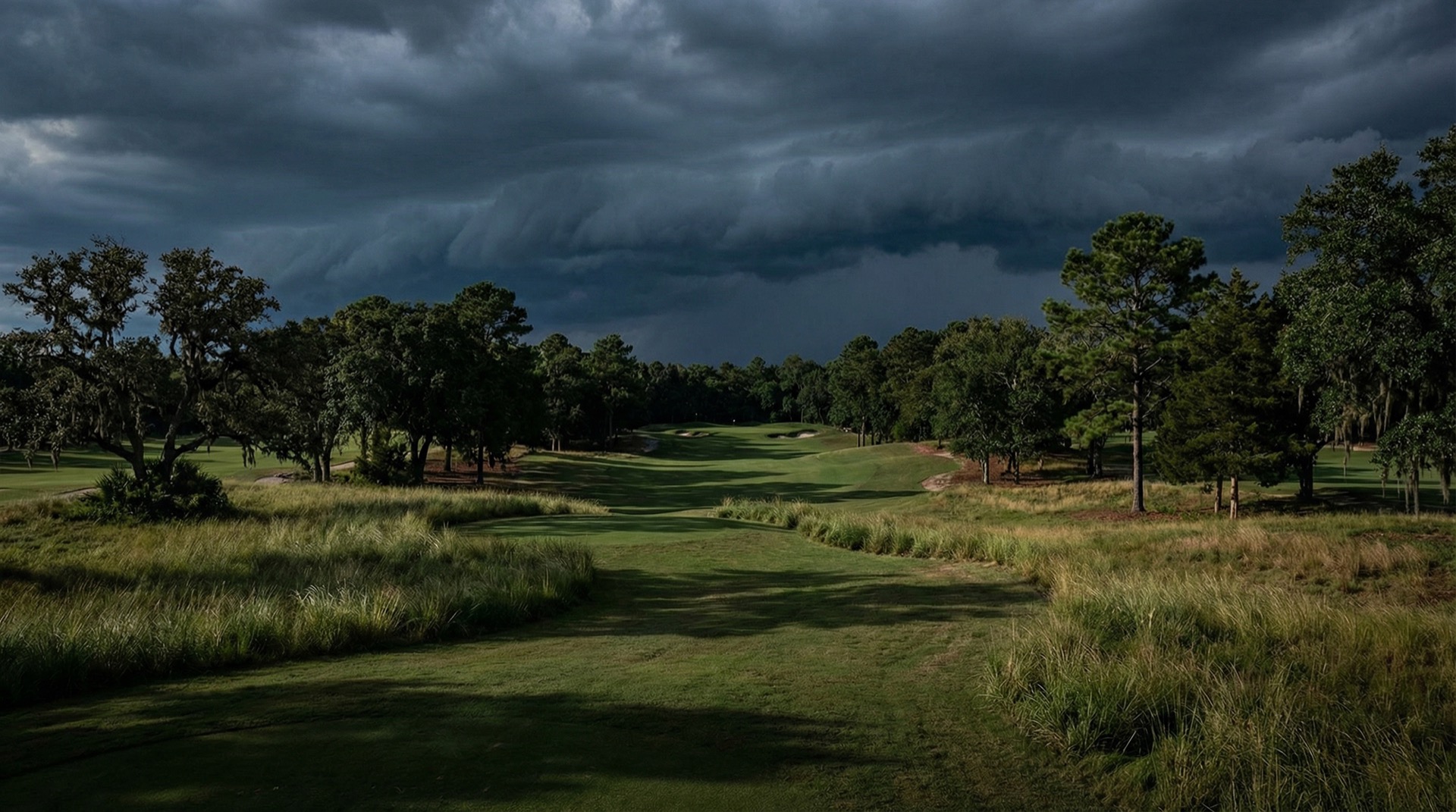
Golf courses face criticism for their sustainability due to several key factors
The ongoing criticism golf course management must face

High water usage
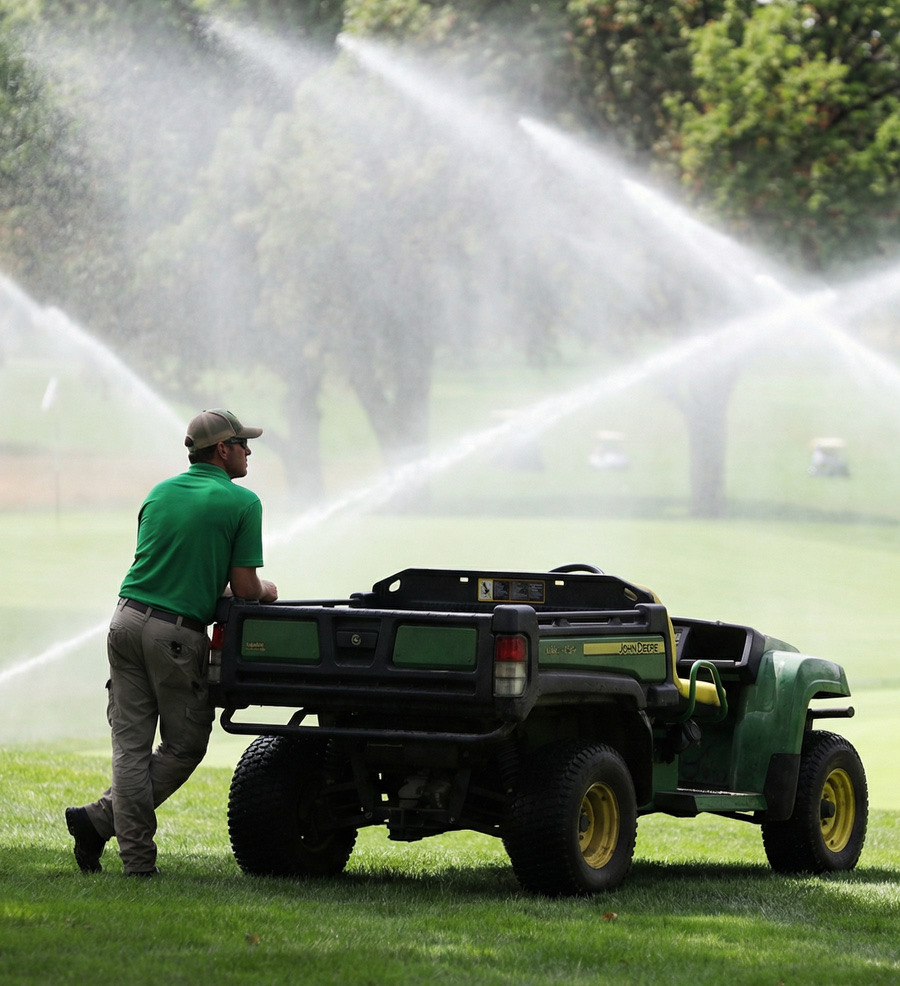
Maintaining the lush green appearance often requires significant water resources, particularly in dry climates.

Chemical use
Pesticides, herbicides, and fertilizers used to maintain the course can pollute water sources and harm local wildlife.

Habitat disruption
Creating a golf course often involves clearing natural habitat, leading to biodiversity loss and disrupting existing ecosystems.

Land use
Large areas of land are dedicated to golf courses, limiting potential for other purposes like food production or natural areas.
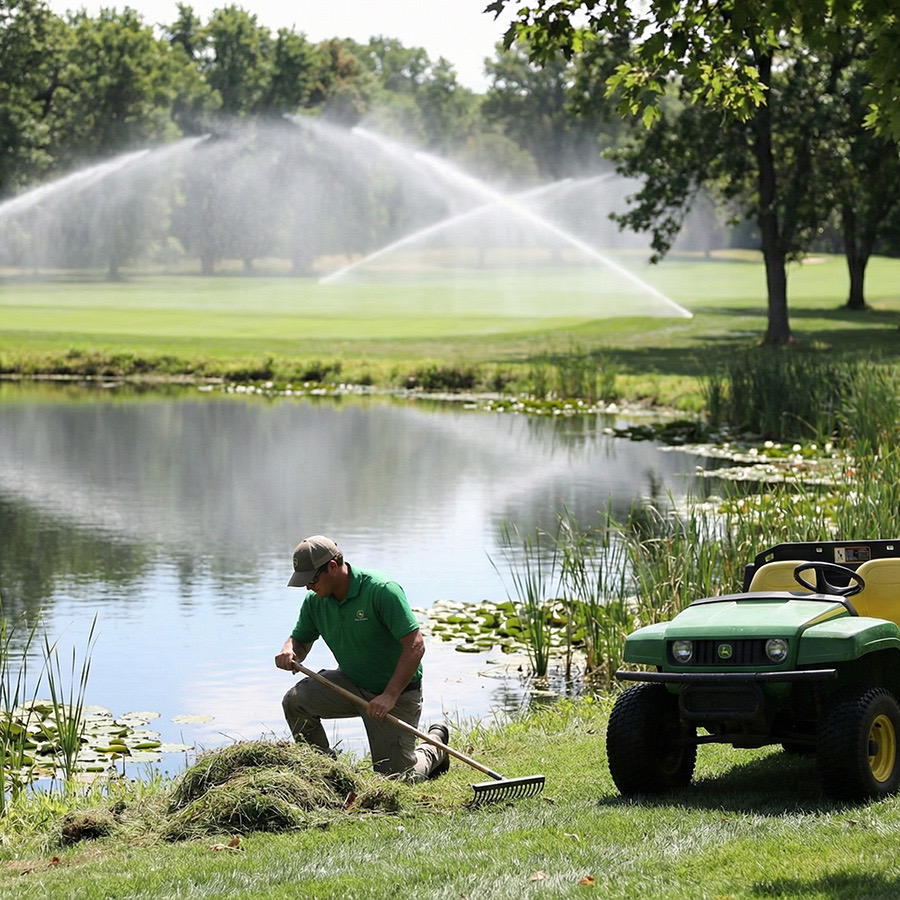
Water and land usage create some of the biggest challenges for golf course management
The debate is complex and nuanced
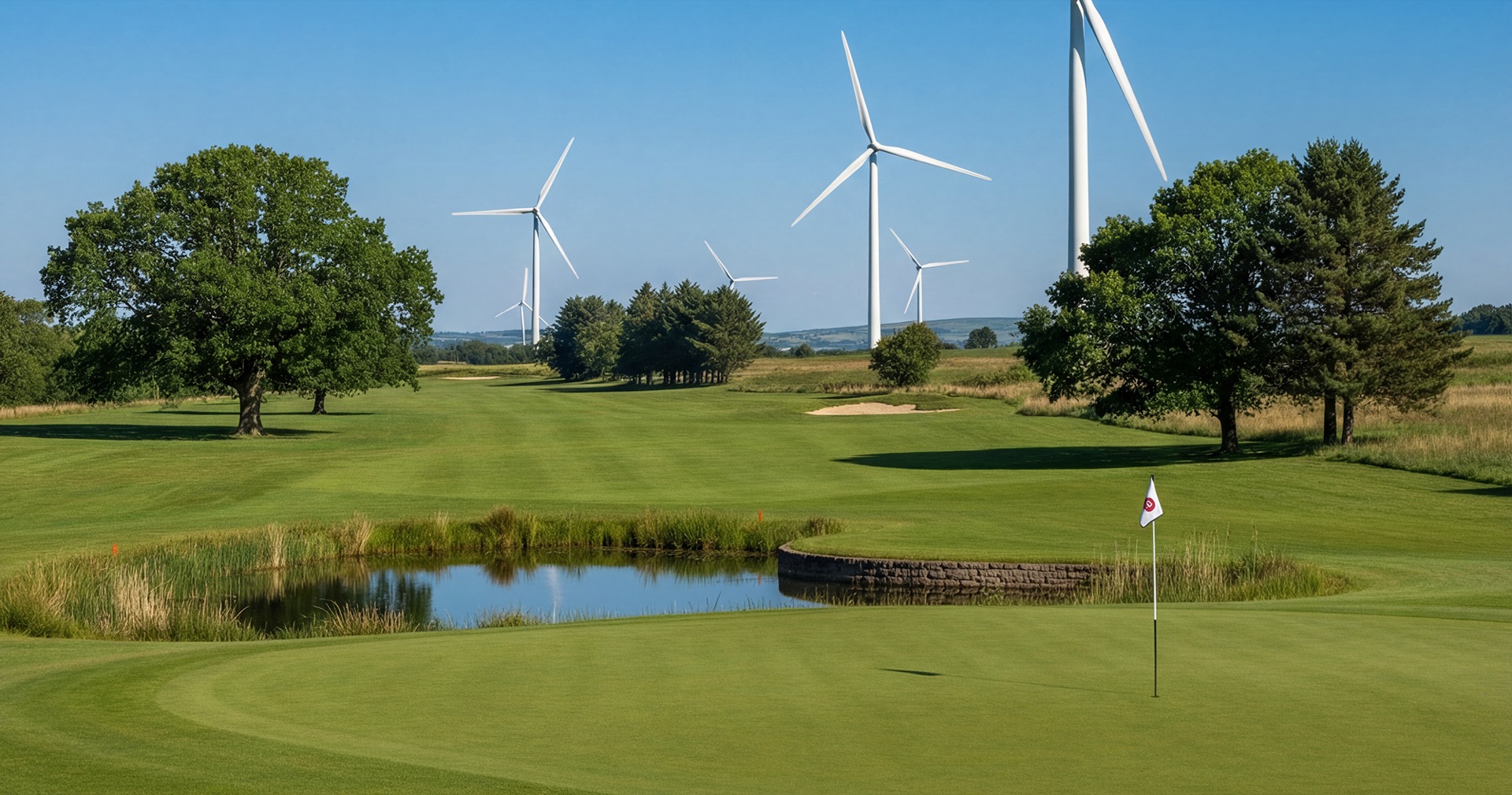
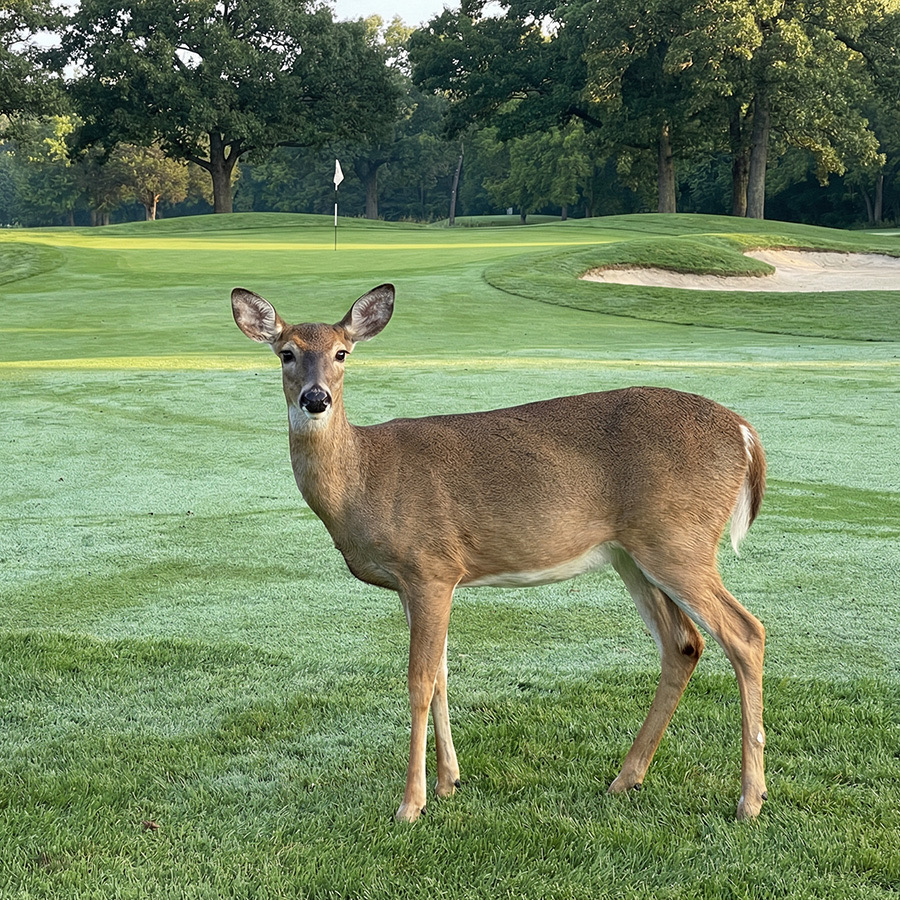
It's important to note that the debate is complex. Well-managed courses can offer environmental benefits like providing habitat for certain species. At Pinseeker we believe it’s important to strike the right balance with a course’s natural surroundings.
Contact usPractical ways golf courses can become more sustainable
By implementing these practices, golf courses can demonstrate environmental responsibility and contribute to a more sustainable future for the sport.
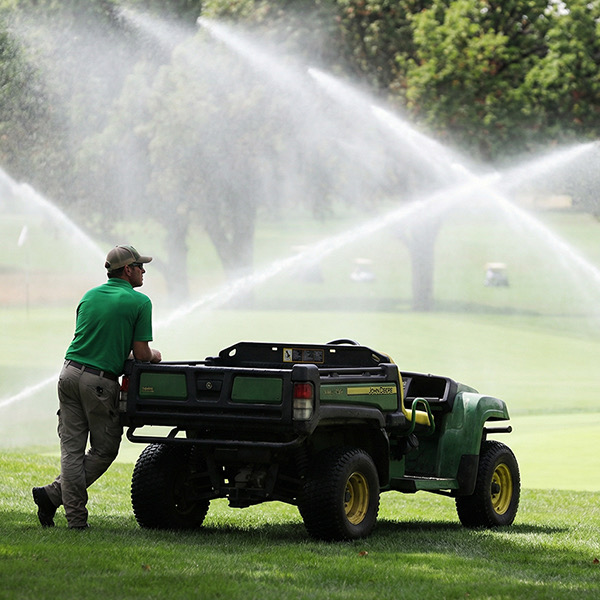
Reduce water & chemical usage
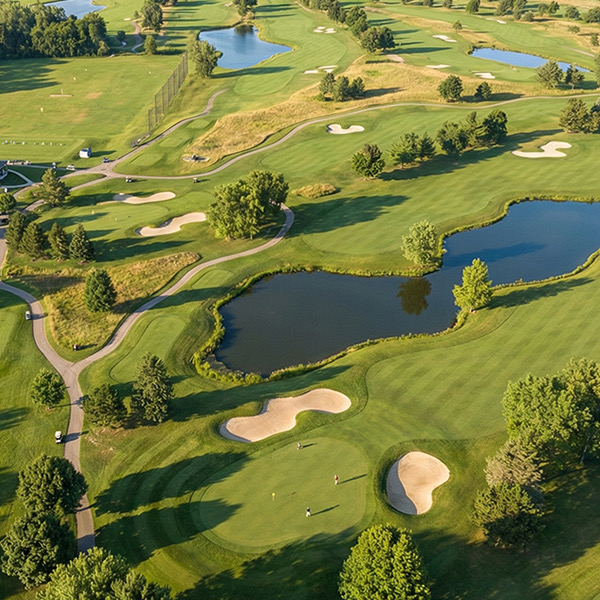
Implement an environmental plan
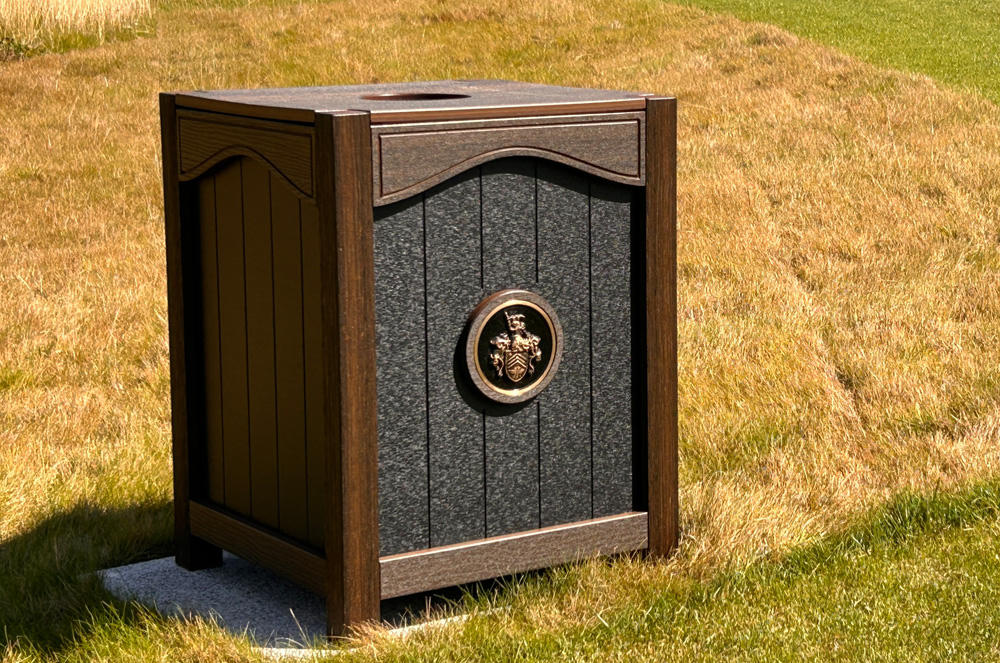
Support sustainable practices in purchased goods

Invest in long-lasting, efficient equipment
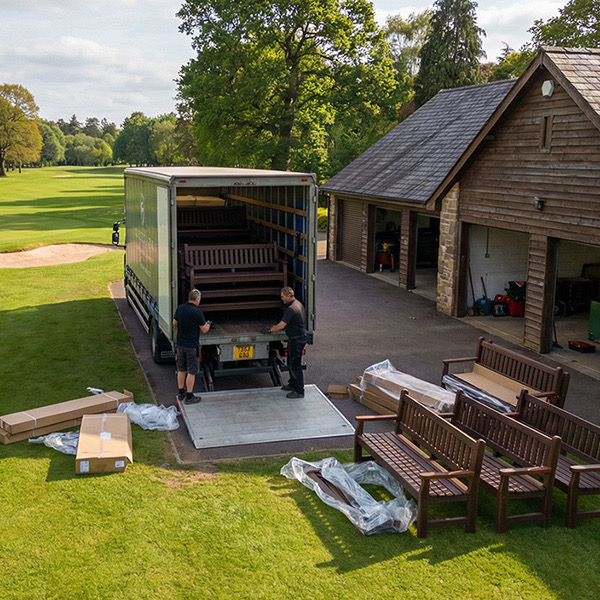
Engage with suppliers and manufacturers